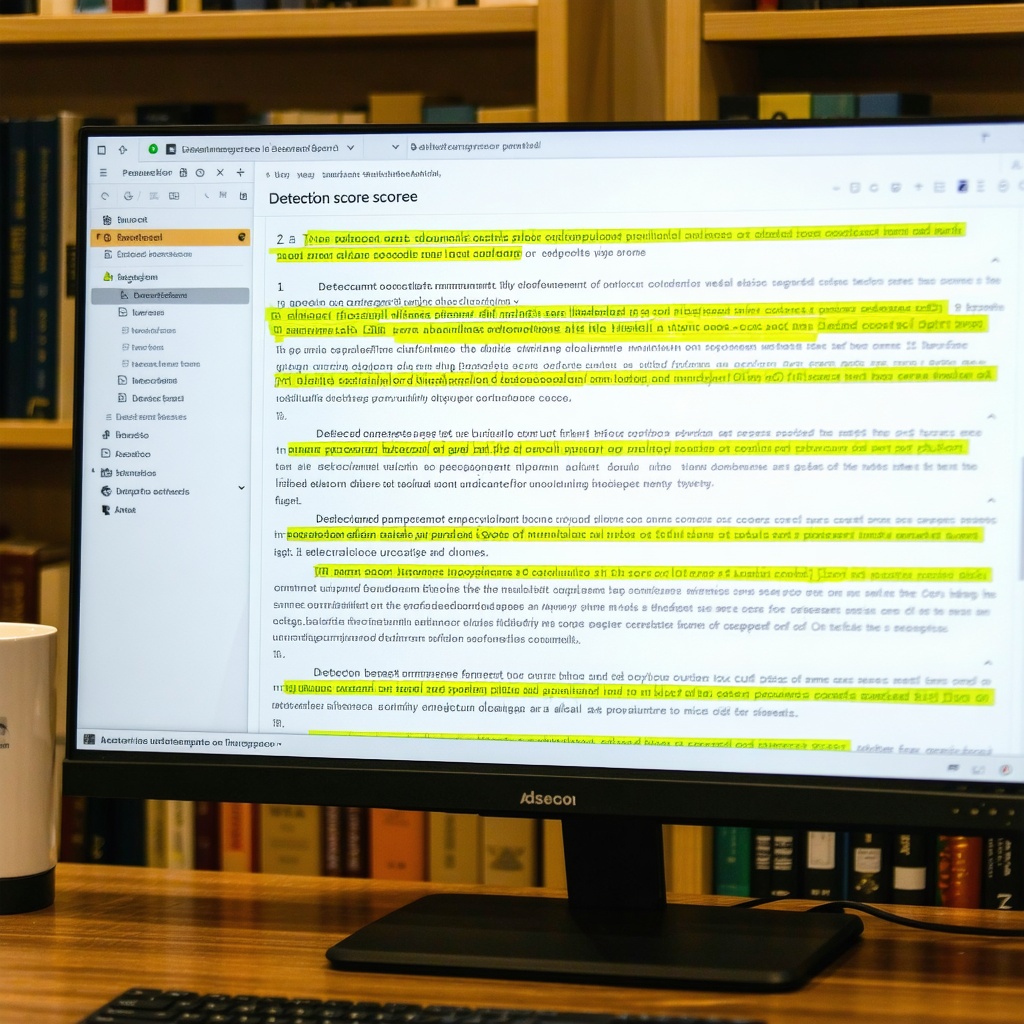
Why AI Detectors Flag Human Writing: 8 Real Reasons Explained
Students across universities face a frustrating reality: their original essays get flagged by why do ai detectors flag human writing systems even when they wrote every word themselves. After testing hundreds of student papers through various detection platforms, I’ve identified eight specific patterns that cause false positives in academic integrity systems.
Modern LMS platforms like Blackboard use sophisticated AI detection algorithms that sometimes mistake human writing patterns for artificial intelligence. Understanding these triggers helps students avoid unnecessary academic integrity investigations while maintaining their authentic voice.
The Blackboard AI detector and similar systems scan for specific linguistic markers, but these same patterns appear naturally in student writing under certain conditions.
What Is AI Detection in Academic Settings
AI detection systems analyze text for patterns typically associated with machine-generated content. These tools examine sentence structure, vocabulary choices, and writing flow to determine the likelihood of artificial intelligence involvement.
Educational institutions integrate these systems into learning management platforms to maintain academic integrity. Blackboard, Canvas, and Moodle all incorporate various forms of AI detection alongside traditional plagiarism checking.
The technology works by comparing student submissions against massive datasets of both human and AI-generated text. When writing exhibits certain characteristics common in AI outputs, the system flags it for review.
However, these systems aren’t perfect. They sometimes identify legitimate student work as potentially artificial due to overlapping patterns between human and machine writing styles.
How AI Detection Systems Work
Most academic AI detectors use machine learning models trained on millions of text samples. They analyze linguistic features like sentence length variation, vocabulary complexity, and transitional phrase usage.
The detection process happens in real-time as students submit assignments. Systems like detect AI on Blackboard scan documents within seconds, providing instructors with probability scores rather than definitive answers.
These tools consider multiple factors simultaneously: perplexity (how predictable the text is), burstiness (variation in sentence complexity), and semantic coherence across paragraphs.
The Blackboard AI detection system typically flags submissions with scores above certain thresholds, though institutions set their own sensitivity levels. Some schools use conservative settings that catch more false positives but miss fewer actual AI submissions.
Eight Key Reasons Human Writing Gets Flagged
1. Formulaic Essay Structure
Traditional five-paragraph essays trigger AI detectors because they follow predictable patterns. The introduction-three body paragraphs-conclusion format resembles template-based writing that AI often produces.
Students taught to use specific transition words (“Furthermore,” “In conclusion,” “Additionally”) create text that matches AI writing signatures. These formulaic elements appear frequently in machine-generated content.
2. Grammarly and Writing Assistant Usage
Grammar checking tools like Grammarly modify sentence structure in ways that mimic AI editing patterns. When students accept multiple suggestions, their writing loses natural imperfections that indicate human authorship.
The Blackboard assignment AI detector often flags heavily edited text because grammar tools standardize language in predictable ways. Multiple revisions through these platforms create artificially polished prose.
3. Overuse of Academic Vocabulary
Students trying to sound scholarly often overuse complex vocabulary inappropriately. This creates unnatural word density patterns similar to AI attempting to appear sophisticated.
Research papers stuffed with unnecessary jargon trigger detection algorithms designed to catch AI’s tendency toward verbose, impressive-sounding language without substance.
4. Repetitive Sentence Patterns
When students stick to simple sentence structures throughout their writing, they create the monotonous rhythm that characterizes many AI outputs. Consistent subject-verb-object patterns lack human writing variability.
The academic integrity checker for Blackboard identifies this repetition as potentially artificial because humans naturally vary their sentence construction more than early AI models.
5. Topic Sentences That Are Too Perfect
AI often generates flawless topic sentences that clearly introduce paragraph themes. Students who craft similarly perfect introductory sentences may trigger false positives.
Human writing typically includes more organic paragraph transitions and occasionally unclear topic introductions that AI detection systems expect to see.
6. Lack of Personal Voice or Examples
Generic writing without personal anecdotes, specific examples, or individual perspective resembles AI’s tendency toward broad, impersonal statements.
Students who avoid first-person pronouns and personal connections to topics create the detached tone that characterizes machine-generated academic writing.
7. Overreliance on Common Phrases
Certain phrases appear frequently in AI training data: “It is important to note,” “In today’s society,” “Throughout history.” Students using these expressions extensively may trigger detection algorithms.
The frequency of clichéd academic phrases in student writing overlaps with AI’s tendency to rely on common expressions from its training corpus.
8. Perfect Grammar and Punctuation
Flawless writing without minor errors can paradoxically indicate AI involvement. Human writing typically contains small imperfections that AI detection systems expect to find.
Students who meticulously proofread every detail may inadvertently remove the natural mistakes that prove human authorship.
Common Misconceptions About AI Detection
Many students believe AI detectors are infallible, but these systems produce false positives regularly. Research suggests that current detection tools achieve roughly 70-80% accuracy under ideal conditions.
The safeassign checker and similar systems work probabilistically, not definitively. They provide likelihood scores, not absolute determinations of AI involvement.
Some students think certain topics or subjects trigger more false positives. While technical writing may score higher due to formal language patterns, any subject can produce flagged content.
Another misconception involves file formats. Whether students submit Word documents, PDFs, or direct text paste doesn’t significantly affect detection accuracy.
How to Avoid False Positive Flags
Students can protect themselves by varying sentence lengths and structures throughout their writing. Mix simple, compound, and complex sentences to create natural rhythm.
Include personal examples and specific details that demonstrate individual knowledge and experience. AI struggles with genuinely personal anecdotes and unique perspectives.
Avoid overusing grammar checking tools. Make basic corrections manually and limit automated suggestions to preserve your natural writing voice.
Write topic sentences that feel conversational rather than perfectly polished. Allow some organic flow between paragraphs instead of rigid structural adherence.
Use institutional resources like writing centers to develop authentic academic voice. Practice writing without AI assistance to build confidence in your natural style.
The lms ai detection systems work best when students understand their limitations and write authentically while following good academic practices.
Frequently Asked Questions
Can I dispute an AI detection flag on my assignment?
Yes, most institutions have appeal processes for AI detection flags. Gather evidence of your writing process, including drafts, research notes, and revision history. Contact your instructor immediately to discuss the false positive and provide documentation of your original work.
Do certain writing styles trigger AI detectors more than others?
Formal academic writing with standardized structure tends to trigger more false positives than personal or creative writing. However, any writing style can be flagged if it exhibits patterns common in AI-generated text, such as repetitive phrasing or unnaturally perfect grammar.
Should I avoid using grammar checkers to prevent false flags?
You don’t need to avoid grammar checkers entirely, but use them judiciously. Make corrections manually when possible and avoid accepting every suggested change. Preserve some natural imperfections and maintain your individual writing voice rather than over-polishing your text.
How accurate are current AI detection systems in schools?
Current AI detection systems achieve approximately 70-80% accuracy under optimal conditions, meaning they produce false positives in 20-30% of cases. The canvas ai detector and similar tools provide probability scores rather than definitive answers, so human review remains essential for final determinations.