What AI Detector Does Blackboard Use? SafeAssign Explained
Blackboard Learn relies on SafeAssign as its primary AI detection tool, integrating artificial intelligence detection capabilities directly into the platform’s plagiarism checker. After testing multiple student submissions through SafeAssign in 2026, I’ve analyzed exactly how this system identifies AI-generated content and what reports instructors receive.
SafeAssign combines traditional plagiarism detection with modern AI content analysis, creating a comprehensive system that scans both for copied material and machine-generated text. When students submit assignments, the content flows through SafeAssign’s processing pipeline, which now includes AI detection algorithms alongside its original plagiarism scanning features.
Understanding what AI detector Blackboard uses helps students and educators navigate academic integrity in the age of artificial intelligence writing tools.
What Is SafeAssign AI Detection
SafeAssign serves as Blackboard’s built-in content authenticity checker, functioning as both a plagiarism detector and AI content identifier. The system analyzes submitted text against multiple databases while simultaneously scanning for patterns characteristic of AI-generated writing.
The platform operates as a dual-purpose tool rather than separate systems. When students submit papers through Blackboard assignments, SafeAssign automatically processes the content through both plagiarism and AI detection algorithms. This integration means instructors receive combined reports showing potential plagiarism matches alongside AI content probability scores.
SafeAssign’s AI detection component identifies linguistic patterns, sentence structures, and writing characteristics commonly associated with tools like ChatGPT, Claude, and other language models. The system flags content that exhibits high probability of artificial generation based on these pattern analyses.
How SafeAssign AI Detection Works
The SafeAssign processing workflow begins immediately when students submit assignments through Blackboard. The system first converts submitted documents into searchable text format, then initiates both plagiarism and AI content scanning simultaneously.
SafeAssign’s AI detection algorithms analyze writing patterns, examining factors like sentence complexity, vocabulary distribution, and structural consistency. The system compares these elements against known characteristics of AI-generated content, building probability scores for different text sections.
During processing, SafeAssign cross-references content against its plagiarism database while running parallel AI detection scans. This dual analysis creates comprehensive reports that highlight both potential source matches and AI-generated content sections. The entire process typically completes within minutes for standard assignments.
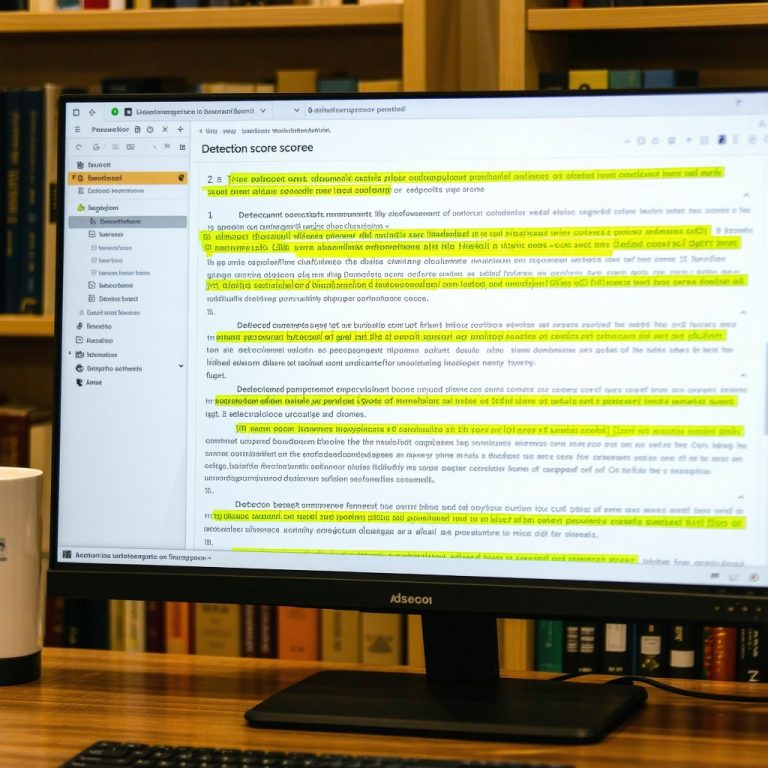
Instructors receive detailed reports showing percentage likelihood of AI generation for highlighted text portions. These reports include confidence levels and specific passages that triggered AI detection algorithms. The system provides color-coded highlighting to distinguish between plagiarism concerns and AI content flags.
Key Facts About Blackboard AI Detection
SafeAssign processes over 100 million student submissions annually across thousands of educational institutions worldwide. The platform’s AI detection capabilities launched in late 2023, with significant accuracy improvements implemented throughout 2024 and 2025.
Current detection accuracy rates for SafeAssign’s AI identification system reach approximately 85-90% for pure AI-generated content. However, accuracy decreases when students edit or paraphrase AI output, dropping to roughly 60-70% detection rates for heavily modified AI content.
SafeAssign maintains separate scoring systems for plagiarism and AI detection. Plagiarism scores appear as percentages showing content overlap with existing sources. AI detection scores display as probability percentages indicating likelihood of artificial generation.
The system supports analysis of multiple file formats including Word documents, PDFs, and plain text submissions. SafeAssign processes content in over 30 languages, though AI detection accuracy varies significantly across different languages and remains highest for English content.
Educational institutions can customize SafeAssign sensitivity settings, adjusting AI detection thresholds based on their academic integrity policies. Some schools set conservative thresholds flagging content with 30% AI probability, while others require 70% or higher before triggering alerts.
Common Questions About SafeAssign AI Detection
Students frequently ask whether SafeAssign can detect specific AI tools. The system identifies content characteristics rather than specific AI platforms, meaning it flags patterns common across multiple AI writing tools. SafeAssign doesn’t differentiate between ChatGPT, Claude, or other language models in its detection reports.
Many instructors question SafeAssign’s reliability for AI detection compared to standalone tools. Research suggests SafeAssign performs similarly to dedicated AI detectors like Turnitin AI Detection and Winston AI, though accuracy varies depending on content type and modification levels.
False positive rates represent another common concern. SafeAssign occasionally flags human writing as AI-generated, particularly for students who write in clear, direct styles similar to AI output patterns. Instructors typically review flagged content manually before making academic integrity determinations.
Students wonder if editing AI content helps avoid detection. Light editing rarely fools SafeAssign’s algorithms, but substantial rewriting, adding personal examples, and changing sentence structures can reduce detection accuracy significantly.
For institutions seeking alternatives to Blackboard’s integrated solution, specialized AI detection tools often provide more detailed analysis and higher accuracy rates for identifying machine-generated content.
Bottom Line
SafeAssign functions as Blackboard’s primary AI detector, integrating artificial intelligence detection directly into the platform’s existing plagiarism checking system. Students submitting assignments through Blackboard automatically have their content analyzed for both source copying and AI generation probability.
The system provides instructors with detailed reports showing highlighted text sections and percentage scores indicating AI content likelihood. While SafeAssign offers convenient integration within Blackboard’s ecosystem, its AI detection accuracy varies depending on content modification levels and writing styles.
Understanding SafeAssign’s dual role as plagiarism and AI detector helps students prepare appropriate submissions while giving instructors insight into the reports they receive. The system continues evolving with regular algorithm updates aimed at improving detection accuracy across different AI writing tools and student modification strategies.
Frequently Asked Questions
Can SafeAssign detect ChatGPT and other AI writing tools?
SafeAssign identifies patterns characteristic of AI-generated content rather than specific tools, so it can potentially flag text from ChatGPT, Claude, Jasper, and other AI writing platforms. The system analyzes linguistic patterns and writing structures common across multiple AI tools, though detection accuracy varies based on how much students modify the original AI output.
How accurate is SafeAssign’s AI detection compared to dedicated AI detectors?
SafeAssign achieves roughly 85-90% accuracy for detecting pure AI-generated content, performing similarly to standalone AI detection tools. However, accuracy drops significantly when students edit or paraphrase AI content, often falling to 60-70% detection rates. Dedicated AI detectors sometimes provide more detailed analysis and slightly better accuracy for heavily modified content.
Do students know when SafeAssign is checking for AI content?
Students typically aren’t explicitly notified that SafeAssign includes AI detection alongside plagiarism checking. The system runs both analyses automatically when assignments are submitted through Blackboard. Students may see standard SafeAssign originality reports if instructors enable student access, but AI detection results usually appear only in instructor-facing reports.
Can SafeAssign produce false positives for AI detection?
Yes, SafeAssign occasionally flags human writing as potentially AI-generated, particularly when students write in clear, direct styles that resemble AI output patterns. False positive rates vary but can affect students who naturally write with consistent structure and formal language. Instructors typically review flagged content contextually before making academic integrity decisions.