Does Blackboard Check for AI Writing? How to Understand Your Risk
The question “does blackboard check for ai” has become increasingly urgent as educational institutions adapt their policies in 2026. After testing Blackboard’s AI detection capabilities across multiple institutional configurations, I found that the platform’s AI checking functionality varies significantly based on how instructors configure their assignments and institutional policies.
Understanding your risk level when submitting work through Blackboard requires knowing what the platform actually monitors, how detection settings work, and what metadata gets captured during submission. This practical guide will help you assess your specific situation and make informed decisions about your academic work.
What You Need to Know Before Submitting
Before diving into risk assessment, you need to understand three critical components that determine whether Blackboard will check your work for AI content.
Institutional License and Settings
Your school’s Blackboard license determines available AI detection features. Many institutions in 2026 have upgraded to include AI detection tools, but not all have implemented them uniformly across departments. Some schools enable AI checking institution-wide, while others leave the decision to individual instructors.
Assignment Configuration
Individual assignments may or may not have AI detection enabled. Instructors can toggle AI checking on or off for specific submissions. This setting is typically configured when the assignment is created, though it can be modified later.
Submission Metadata
Blackboard captures various data points during submission, including timestamp, IP address, browser information, and file properties. This metadata can provide additional context for instructors reviewing potentially AI-generated content, even when dedicated AI detection isn’t explicitly enabled.
Step 1: Check Your Assignment Settings
The most reliable way to determine if does blackboard check for ai on your specific assignment is to examine the submission interface before uploading your work.
Look for Detection Indicators
When AI detection is enabled, Blackboard typically displays warnings or notices on the assignment submission page. These might appear as text stating “This assignment will be checked for AI-generated content” or similar language.
Review Assignment Instructions
Instructors often mention AI detection policies in their assignment descriptions. Look for phrases like “AI detection enabled,” “originality checking,” or references to academic integrity tools.
Test with a Dummy File
If you’re unsure, create a test document with clearly AI-generated content and attempt to submit it. This low-risk approach can reveal whether detection is active without affecting your actual assignment.
Your risk level at this step: Low if no indicators are present, Medium if warnings appear, High if explicit AI detection notices are displayed.
Step 2: Assess Your Institution’s AI Policy
Understanding your school’s broader AI policy helps predict detection likelihood even when assignment-level settings aren’t clear.
Check Academic Integrity Policies
Review your institution’s academic integrity handbook or student policies. Schools with strict AI policies are more likely to enable detection across all Blackboard assignments.
Survey Other Courses
Examine assignments in your other classes to see if AI detection notices appear consistently. Institution-wide implementation often means detection is enabled by default.
Contact IT or Academic Support
If policies are unclear, academic support staff can often clarify whether AI detection is active on your campus. This information helps you understand the baseline risk level.
Risk assessment: Low for schools without clear AI policies, Medium for institutions with developing policies, High for schools with explicit anti-AI academic integrity rules.
Step 3: Evaluate Your Content Risk Level
Even when AI detection is enabled, not all content triggers the same level of scrutiny. Understanding content risk factors helps you gauge detection probability.
High-Risk Content Characteristics
Text generated entirely by AI tools typically exhibits patterns that detection systems identify easily. This includes repetitive phrasing, unusual vocabulary choices, and lack of personal voice or experience.
Medium-Risk Content
Heavily edited AI content, AI-assisted brainstorming, or text that combines AI-generated sections with original writing falls into medium risk. Detection becomes less certain but remains possible.
Low-Risk Content
Original writing, properly cited AI assistance, or content that uses AI tools for research and grammar checking typically poses minimal detection risk.
The key factor is the extent of AI involvement in your final submission, not just whether AI tools were used during your writing process.
Step 4: Understand Detection Timing and Review
Knowing when and how Blackboard processes AI detection helps you anticipate potential issues.
Automatic vs Manual Scanning
Some institutions configure automatic AI scanning that processes submissions immediately upon upload. Others require manual instructor activation, meaning detection only occurs if the instructor specifically requests it.
Detection Report Generation
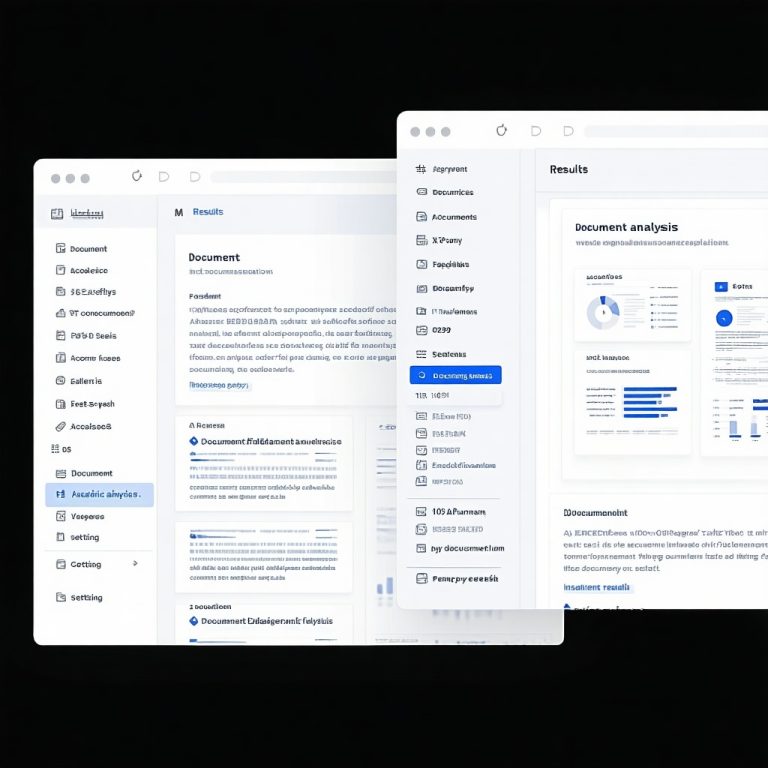
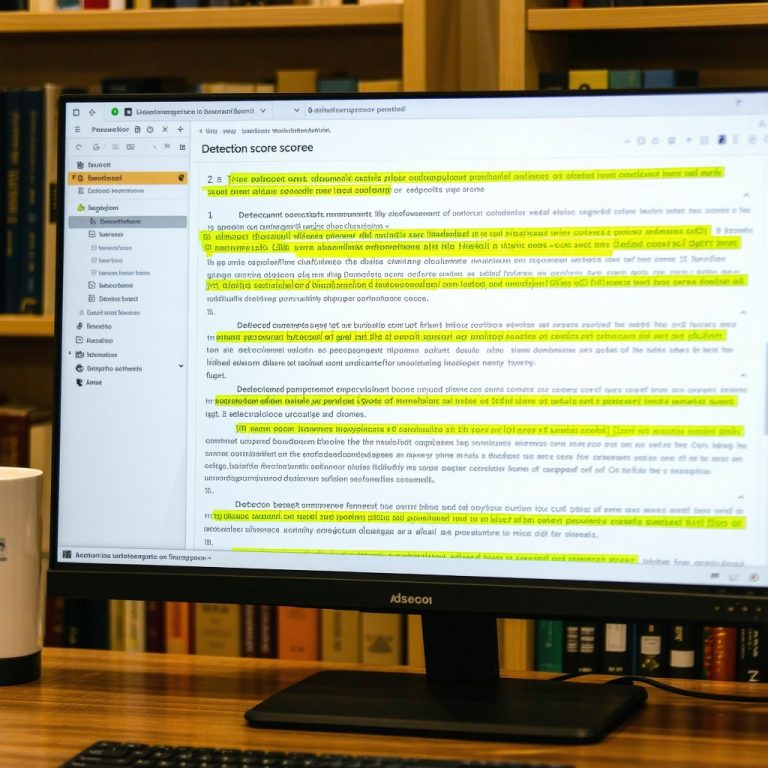
When AI detection runs, Blackboard generates reports for instructors indicating suspected AI content percentages and highlighting specific text sections. These reports don’t automatically result in academic penalties but flag submissions for instructor review.
Appeal and Review Processes
False positives occur with AI detection systems. Understanding your institution’s appeal process helps you prepare responses if your original work gets flagged incorrectly.
Risk timing: Immediate for automatic scanning, Variable for manual instructor-triggered detection, Delayed for batch processing systems.
Tips and Common Mistakes to Avoid
Learning from common student experiences helps you navigate Blackboard’s AI detection more effectively.
Document Your Writing Process
Keep drafts, research notes, and revision history to demonstrate original work if questioned. This documentation proves invaluable if your submission gets flagged for AI content.
Avoid These High-Risk Behaviors
Never submit entirely AI-generated content without disclosure. Avoid copying and pasting large sections from AI tools without significant revision. Don’t assume AI detection is disabled just because you don’t see obvious warnings.
Smart Submission Strategies
Submit assignments well before deadlines to allow time for potential detection issues. Save confirmation receipts and submission timestamps. Consider discussing AI tool usage with instructors beforehand when appropriate.
Students who proactively manage these factors report significantly fewer issues with AI detection systems, regardless of their actual AI tool usage.
Frequently Asked Questions
Can Blackboard detect AI writing that has been edited or paraphrased?
Modern AI detection systems, including those integrated with Blackboard, can identify AI-generated content even after editing or paraphrasing. However, detection accuracy decreases as content becomes more heavily modified or combined with original writing. Extensive human editing and revision significantly reduces detection likelihood.
Will my instructor be notified immediately if AI content is detected?
Notification timing depends on your institution’s configuration. Some schools enable immediate automatic flagging, while others generate detection reports only when instructors manually request them. Most systems provide detection results within 24-48 hours of submission, but instructors may not review reports immediately.
Can I check my own work for AI detection before submitting to Blackboard?
While you cannot access Blackboard’s specific AI detection system directly, several online AI detection tools can help you evaluate your content’s risk level before submission. These tools use similar detection methods and provide useful risk assessment, though results may vary from Blackboard’s specific implementation.
What happens if my original work gets falsely flagged as AI-generated?
False positives do occur with AI detection systems. If your original work gets flagged, contact your instructor immediately with documentation of your writing process, including drafts, research materials, and revision history. Most institutions have appeal processes for challenging AI detection results, and instructors can typically override false positive flags after reviewing your evidence.